Why Electronics Recycling Services Ensure Environmental Safety
Sustainable Solutions: How E-Waste Recycling Services Are Saving Our Planet
E-waste represents a considerable hazard to the environment, as discarded electronics often contain toxic materials. These hazardous substances can contaminate soil and water, causing extensive damage to surrounding ecosystems. E-waste recycling services present a viable solution. They successfully retrieve useful resources while simultaneously minimizing environmental pollution. Gaining insight into how these programs function and affect local communities is critical. The journey towards effective e-waste management raises critical questions about individual responsibility and collective action. What measures can be pursued from this point onward?
How E-Waste Is Hurting the Planet
Even though technological advancements improve modern life, electronic waste presents significant environmental threats. Abandoned electronic gadgets, frequently composed of toxic substances including mercury, lead, and cadmium, may release harmful substances into the surrounding soil and water supply, presenting dangers to human health and ecosystems. The accelerating rate of technological innovation leads to increased consumer turnover of electronics, exacerbating the accumulation of discarded electronic materials.
Landfills, already strained by waste, are unable to keep up with the rising quantities of abandoned electronics. Incineration, a common waste management technique, emits dangerous pollutants into the environment, degrading atmospheric conditions. In addition, improper recycling practices can lead to the exportation of e-waste to developing countries, where laborers may dismantle devices without adequate safety measures, exposing themselves to dangerous substances. This cycle of neglect and improper handling underscores the urgent need for sustainable recycling solutions that can mitigate the adverse effects of e-waste on the planet.
What Is E-Waste and Its Importance?
E-waste, also referred to as electronic waste, comprises discarded electronic devices including computers, smartphones, and televisions that have reached the end of their useful life. This growing category of waste is significant due to its rapid accumulation, driven by technological advancements and consumer trends. With an increasing number of devices reaching obsolescence, the toll on the environment grows more severe, with toxic materials such as lead, mercury, and cadmium presenting serious hazards to the environment and human well-being.
The significance of tackling e-waste extends beyond minimizing these risks to recognizing the valuable resources it holds. Critical metals and rare earth components can be reclaimed and recycled, decreasing the reliance on mining and protecting natural resources. By understanding e-waste and its implications, individuals and organizations can make informed decisions about disposal and recycling, ultimately contributing to a more sustainable future. Proper management of e-waste is essential for fostering a circular economy and promoting environmental stewardship.
How E-Waste Recycling Works
The recycling of e-waste encompasses an organized procedure intended to extract beneficial components while limiting ecological damage. To begin, electronic waste is gathered and delivered to specialized recycling facilities. After reaching the facility, the electronics are carefully categorized to separate hazardous components from recyclable materials.
After this step, technicians dismantle the items, recovering plastics, metals, and glass. This phase is essential, as it facilitates the extraction of high-value metals like copper, gold, and silver, which may be utilized in new electronic products.
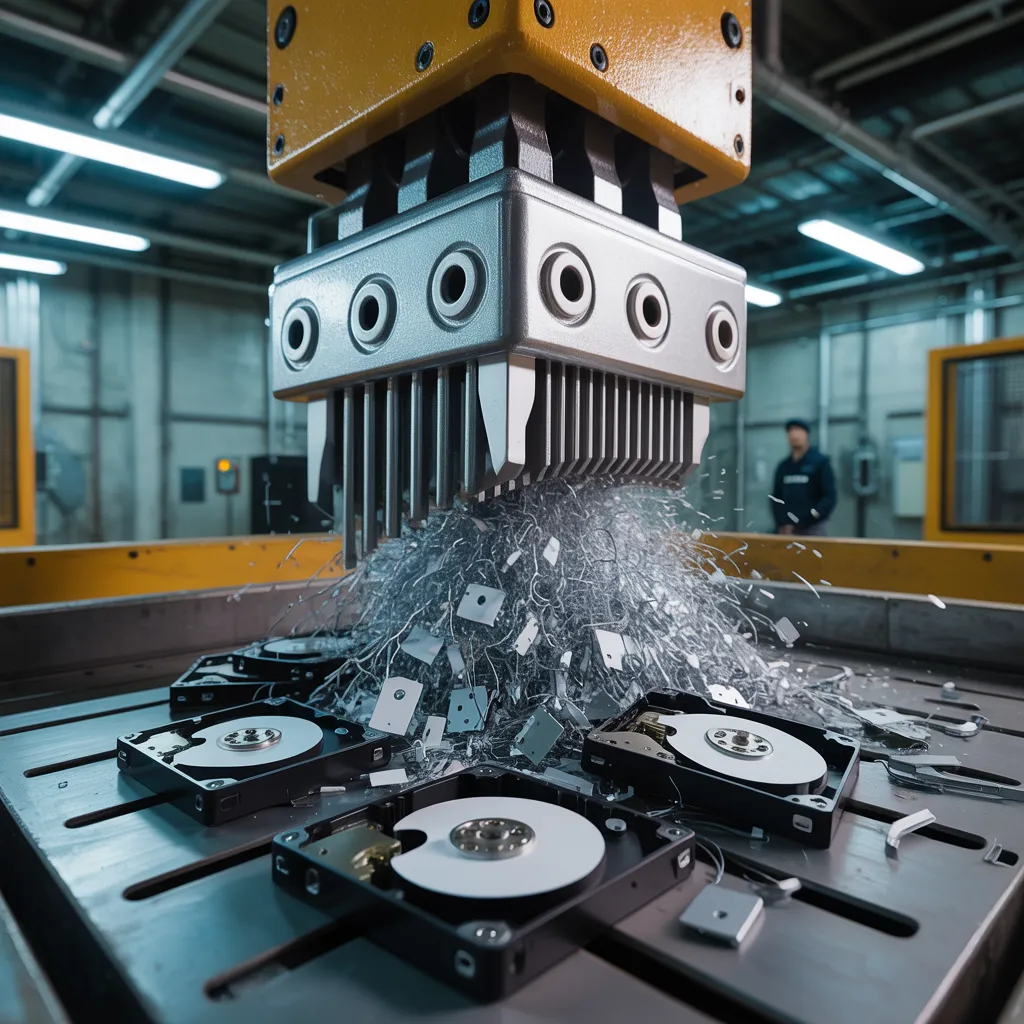
Following this, the divided materials are processed via advanced techniques, such as shredding and chemical treatments, to cleanse them for reuse.
In the final step, the remaining dangerous materials are managed properly, adhering to environmental guidelines. This multi-step approach not only saves important resources but also minimizes the hazards associated with improper e-waste disposal, guaranteeing a greener future for electronic device usage.
How E-Waste Recycling Benefits You and Your Community
While many individuals may not realize it, the positive effects of e-waste recycling go far beyond individual benefit and actively shape entire communities. By properly recycling electronic waste, individuals help foster a cleaner environment, reducing hazardous materials that can seep into soil and water. This forward-thinking practice actively safeguards local ecosystems and supports public health.
Additionally, e-waste recycling promotes workforce growth within communities. Local recycling facilities often require personnel for diverse activities, spanning collection through processing, thereby providing employment opportunities for local residents. This not only strengthens the regional economy but also promotes community participation in sustainable initiatives.
Furthermore, familiarity with e-waste recycling has the potential to generate educational initiatives, equipping residents to make environmentally conscious decisions. By participating in e-waste recycling programs, individuals nurture a culture of sustainability, motivating others to do the same. Overall, the collective impact of these actions can lead to a more robust and eco-friendly community.
How to Choose an E-Waste Recycling Service
Picking the most suitable e-waste recycling service is essential for making sure that electronic waste is processed responsibly and sustainably. First, consumers should check the service's accreditations, such as R2 or e-Stewards, which demonstrate conformance to industry standards for safe recycling practices. It's also important to assess the company's credibility by checking reviews and looking for referrals from reliable sources.
Furthermore, openness in the recycling process is crucial. A reliable provider should supply straightforward details about the way e-waste is handled and what happens to the materials. Additionally, evaluating the range of services offered can be beneficial; certain providers may offer collection services or present rewards for recycling.
Ultimately, familiarizing yourself with area-specific requirements for e-waste disposal can further guide the evaluation process. Through focusing on these key aspects, consumers can play a role in successful electronic waste reduction while supporting environmentally responsible practices.
How You Can Get Involved in E-Waste Recycling?
Participating in e-waste recycling often starts at the local level, where community recycling hubs frequently offer essential services for safe disposal. Furthermore, taking part in community awareness campaigns can strengthen efforts to educate others about the importance of responsible e-waste management. These initiatives not only advance environmental sustainability but also foster a collective sense of stewardship of the environment.
Nearby Recycling Facilities
A wide range of regional recycling hubs serve a vital function in electronic waste recycling, supplying communities with reliable ways to discard electronic waste in an eco-friendly way. These facilities handle a range of electronic devices, including aging computers, cell phones, and television sets, making certain that hazardous materials are managed safely. The majority of facilities employ trained staff who support individuals in understanding proper disposal practices, emphasizing the importance of recycling over landfilling. Additionally, several stations organize scheduled drop-off occasions or specific collection dates, making participation convenient for residents. By utilizing these local services, individuals contribute to a circular economy, reducing environmental impact and promoting sustainable practices. Engaging with these centers empowers communities to take action against e-waste pollution effectively.
Community Awareness Campaigns
Community groups, educational institutions, and companies can work together to organize events that support e-waste collection drives. Volunteers can play a pivotal role in promoting knowledge, handing out educational content, and interacting with the surrounding community. As a result of these combined actions, residents become more informed and motivated to recycle their electronic waste, thereby helping to build a greener and more sustainable tomorrow.
Frequently Asked Questions
Which Types of Electronics Are Recyclable?
Numerous electronics can be recycled, including computers, smartphones, televisions, laptops, gaming consoles, and printers. Moreover, ancillary devices such as mice, keyboards, and batteries are also suitable for recycling, promoting sustainable environmental practices.
Is There a Cost Associated With E-Waste Recycling?
Indeed, e-waste recycling may involve costs, subject to the provider. Certain providers charge fees for gathering or treatment, while some providers provide no-cost solutions, often subsidized by the resale of Begin here recovered materials.
What Are the Benefits of E-Waste Recycling for Businesses?
Businesses can benefit from e-waste recycling by reducing disposal costs, strengthening their ecological standing, adhering to regulatory requirements, reclaiming useful materials, and creating potential earnings via resale, thus supporting a greener and more sustainable operational framework.
What Occurs with Data on Recycled Devices?
Data on refurbished devices is commonly irretrievably wiped or destroyed during the refurbishment process. This guarantees private details is kept safe, preventing unauthorized access while enabling components to be repurposed safely and responsibly across new manufacturing processes.
Are Broken Electronics Eligible for Recycling?
Yes, damaged electronics may be recycled. Many collection points take in non-functioning devices, ensuring safe disposal and retrieval of precious materials. This effort helps lower environmental impact while promoting responsible recycling practices to address electrical waste effectively.